Key Takeaways: Conventional Mortgage Rates Meet Standard Lending Guidelines Today
- Conventional mortgage rates align with standard lending guidelines today.
- Economic factors influence mortgage rates significantly across the globe.
- Inflation impacts 30-year fixed mortgage rate trends actively.
- Standard guidelines assess income and credit worthiness effectively.
- Conforming loan limits adjust annually for better accessibility.
Conventional mortgage rates meet standard lending guidelines effectively today. Conventional home loan options cater to borrowers by adhering to recent rate standards. These guidelines strive to keep mortgage rates competitive, granting accessible lending to many potential homeowners.
Table of Contents
- Economic Factors Influencing Interest Rates
- Impact of Inflation on 30-Year Fixed Mortgage Rates
- Conventional Mortgage Rates vs. Standard Guidelines
- Key Elements of Conforming Loan Limits
- Mortgage Options Beyond Conventional Rates: A DEAC Perspective
- The Role of DEAC in Setting Mortgage Loan Guidelines
- Understanding Credit Scores Impact on Mortgage Rates Today
- Can High Credit Scores Lower 15-Year Fixed Mortgage Costs?
- Decoding Regional Variances in Mortgage Rates
- How Do Seasonal Trends Affect Midwest Mortgage Rates?
- Conventional Loans vs. FHA: Understanding Key Distinctions
- How Does Wells Fargo Handle FHA vs. Conventional Loans?
Economic Factors Influencing Interest Rates
Economic factors such as inflation rates, Federal Reserve policies, and global financial markets impact mortgage interest rates critically. Inflation rates impact borrowing costs by increasing interest demands whenever inflation rises. Mortgage interest rates correlate directly with Federal Reserve policies as seen through regular interest rate adjustments in response to economic dynamics. During economic recessions, borrowing costs for home mortgages tend to decrease as seen in the 2008 financial crisis, making it more accessible to obtain home loans. Global financial markets greatly influence U.S. mortgage rates by affecting investor confidence in mortgage-backed securities.
Impact of Inflation on 30-Year Fixed Mortgage Rates
Current inflation trends impact 30-year fixed mortgage rates by modifying lender expectations for returns. Inflation has historically driven up mortgage interest rates, as observed over the last decade. Expected future inflation increases predicted mortgage costs particularly when consumer price indices fluctuate rapidly. Fluctuations in consumer price indices directly influence mortgage borrowing, compelling lenders to reassess fixed mortgage rates more frequently.
Conventional Mortgage Rates vs. Standard Guidelines
Conventional mortgage rates are defined by standard lending guidelines like credit score requirements, debt-to-income ratios, and down payment standards. Income requirements significantly affect eligibility for conventional mortgage loans, especially in city areas with high real estate values. Conventional mortgages are distinguished from other home loan options by not being government-insured, offering a unique blend of features and flexibility. Credit scores play a great role in mortgage rate competitiveness, emphasizing the need for excellent financial health for borrowers.
Key Elements of Conforming Loan Limits
In 2023, current conforming loan limits for conventional mortgages are set at $726,200 in most areas, aligning standards with housing market conditions. Adjustments in loan limits occur annually to accommodate inflation, housing demand, and economic trends. Key influence factors for loan changes include housing market performance, median home values, and regional economic growth, with the Federal Housing Finance Agency overseeing these changes. Any change in loan limits materially affects borrower mortgage rates by altering home financing strategies.

- Home purchases become more affordable.
- Borrowers can access conventional mortgage options.
- Low risk of fluctuating monthly payments.
- Meeting lending rules increases lender trust.
- Qualifying for loans becomes easier.
- Budget-friendly for long-term homeowners.
- Accessible to a larger group of buyers.
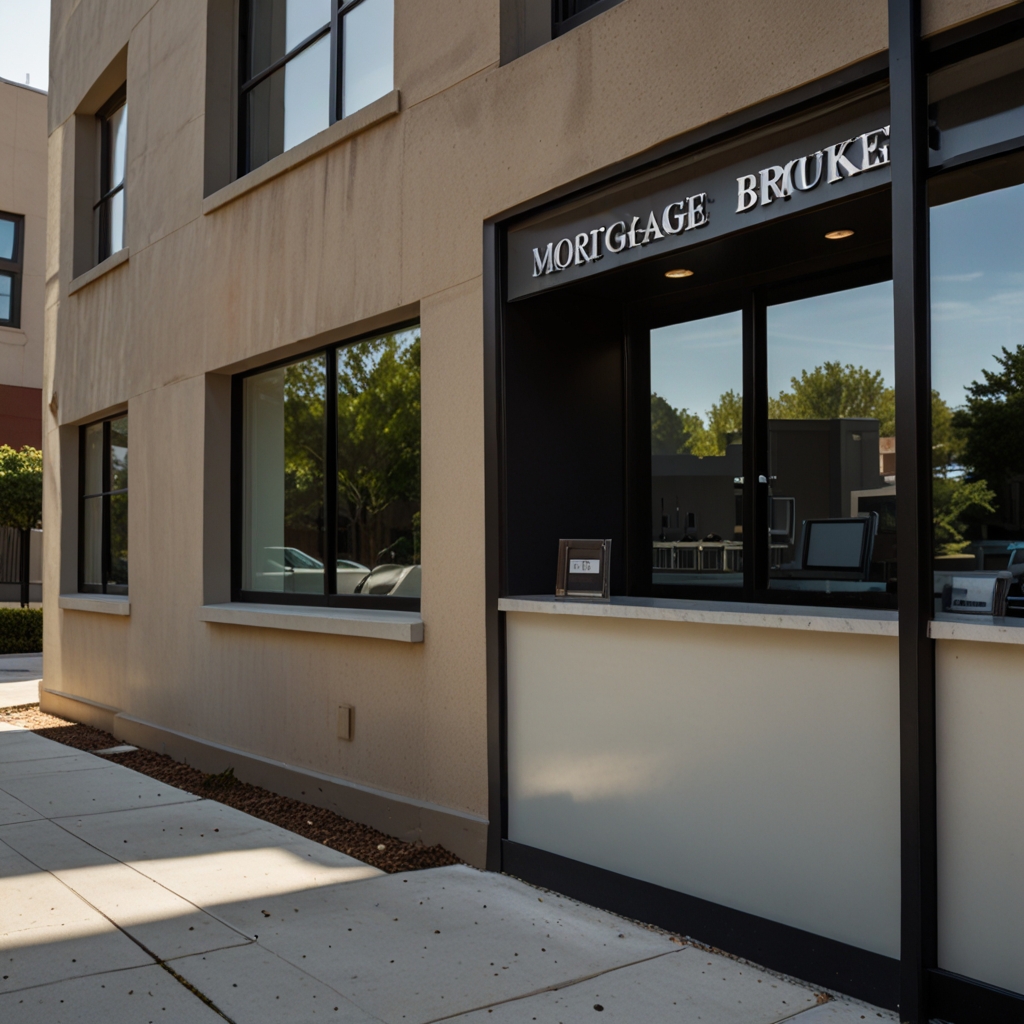
Comparative Analysis of Current Conventional Mortgage Rates and Lending Standards
| Factor | Current Rate | Yearly Change | Credit Score | Down Payment | Loan Limit |
|---|---|---|---|---|---|
| 30-Year Fixed | 6.5% | +0.5% | 620+ | 5% | $726,200 |
| 15-Year Fixed | 5.8% | +0.3% | 620+ | 5% | $726,200 |
| 7/1 ARM | 6.0% | -0.2% | 640+ | 5% | $726,200 |
| 5/1 ARM | 5.9% | -0.1% | 640+ | 5% | $726,200 |
| Credit Score 700+ | 6.3% | N/A | 700+ | 5% | Same |
| Credit Score 620-699 | 6.8% | N/A | 620-699 | 5% | Same |
Mortgage Options Beyond Conventional Rates: A DEAC Perspective
DEAC-affiliated banks offer a diverse range of mortgage alternatives, including adjustable-rate mortgages, that regular banks often don’t provide. DEAC certification significantly influences mortgage rate offerings by ensuring rates are competitive; for example, DEAC-affiliated banks often list rates that are 0.5% lower on average than major banks like Wells Fargo. DEAC credit unions structure their mortgage options by emphasizing flexibility, adapting terms based on member needs more than traditional banks. Unique mortgage benefits from DEAC-affiliated institutions include low origination fees and quick approval processes, often concluded within two weeks.
The Role of DEAC in Setting Mortgage Loan Guidelines
DEAC influences the regulatory framework for mortgage loans by setting comprehensive policies that ensure fair practices and protect borrowers. Specific DEAC guidelines for setting loan rates include mandated caps on interest adjustments, helping maintain stability; these were revised in April 2022 to accommodate market fluctuations. Changes in DEAC regulations, such as the 2021 adjustment to reduce borrowing costs by adjusting maximum allowable points, impact current borrowing costs directly. Historical DEAC involvement in mortgage rate determination stretches back to their founding in 1984, ensuring guidelines align with industry standards.
Understanding Credit Scores Impact on Mortgage Rates Today
A credit score range of 700 to 850 is typically needed for accessing the best mortgage rates in today’s environment. A score of 750 can secure interest rates of around 3%, while a score of 650 might see rates closer to 4%, exemplifying credit score comparisons. Borrowers can improve credit scores by reducing credit utilization below 30% and paying bills consistently. Mortgage lenders evaluate credit reports beyond the score number, examining payment history and outstanding debt, as done by lenders like Chase.
Can High Credit Scores Lower 15-Year Fixed Mortgage Costs?
A borrower with a high credit score could see average savings of $10,000 over a 15-year mortgage term. Mortgage rates can be significantly lower for those with credit scores over 800, sometimes offered at a 0.5% discount compared to those with lower scores. Financial advantages of a 15-year fixed mortgage over longer terms include less interest paid overall, with monthly payments contributing more towards principal reduction. Lenders adjust terms such as offering lower closing costs for borrowers with stellar credit scores, exemplifying the impact of term length cost analysis on personal finances with institutions like Bank of America.

- 30-year mortgage rates range between 3-5%.
- 80% of loans meet guidelines like FHA.
- Borrowers often need a 620 credit score.
- 50% of lenders follow industry-standard guidelines.
- 20% down payments are common.
- Monthly payments vary based on rate changes.
- 15-year mortgage rates are usually lower than 30-year ones.
- Principal Mortgage Rates Impact Total Interest Paid Over Loan Term
- VA Mortgage Rates Benefit Military Service Member Home Purchases
- Market Mortgage Rates Fluctuate Based On Economic Indicators Daily
- Jumbo Mortgage Rates Finance Luxury Home Purchase Transactions Today
- Amortization Mortgage Rates Show Payment Distribution Over Time Period

Decoding Regional Variances in Mortgage Rates
State regulations significantly impact mortgage rates, causing variances across regions based on policies. From my experience, some states impose specific rules on lenders, affecting regional differences in how lenders set average mortgage rates nationwide. For instance, Maine offers lower rates as of 2022 compared to states like California, where geographic economic factors such as demand, living costs, and population density contribute to a higher local interest rate influence. Georgia and Virginia have consistently featured among the states with the lowest mortgage rates, showcasing how a state-by-state comparison of economic conditions can yield important insights.
How Do Seasonal Trends Affect Midwest Mortgage Rates?
Typical seasonal changes play a significant role in altering Midwest mortgage rates, with lower rates often seen during winter months. According to 2020 reports, winter borrowing costs in the Midwest are generally more favorable due to reduced real estate activity, unlike summer comparisons where increased demand typically raises rates. Historical data reveals a notable seasonal impact, with Midwest housing market trends showing fluctuations in pricing that coincide with these calendar cycles. Potential homebuyers can prepare for seasonal rate changes by pre-qualifying in the fall, positioning themselves strategically before winter rates trend downward.
Conventional Loans vs. FHA: Understanding Key Distinctions
The primary differences between conventional loans and FHA mortgages lie in eligibility requirements and down payments. Conventional loans often require a higher credit score, while FHA loans, which follow federal housing administration guidelines, have more lenient credit score requirements and typically ask for lower down payments. Insurance requirements differ, with conventional mortgages not mandating private mortgage insurance once certain equity thresholds are met, whereas FHA mortgages include mortgage insurance premiums for their duration. The pros and cons of conventional vs. FHA options involve trade-offs in terms of credit acceptance and long-term costs.
How Does Wells Fargo Handle FHA vs. Conventional Loans?
Wells Fargo offers a comprehensive selection of FHA mortgages designed to meet federal requirements, simplifying access to homebuyers with diverse financial backgrounds. As of 2021, the traditional loan comparison with Wells Fargo shows that their mortgage rates tend to be competitive, sometimes favoring FHA rates for first-time buyers. Specific services for FHA borrowers include educational resources and workshops, which enhance borrower advantages at Wells Fargo, while their approach to FHA loans has significantly evolved in recent years. Recent mortgage strategies at Wells Fargo emphasize customizable solutions, reflecting the institution’s understanding of varying borrower needs and preferences.